

As a health expert with years of clinical experience specializing in skin and nail conditions—including fungal infections—I am always on the lookout for innovative, safe, and effective treatments that empower patients to regain their confidence and comfort. When I first heard about the Okita Nail Fungus Light, I approached it with both professional curiosity and a healthy dose of skepticism. The promise was enticing: a non-invasive, drug-free nail fungus solution using dual light therapy, all available in the comfort of home. Over a period of six weeks, I made it my task to thoroughly test the Okita Nail Fungus Light device, not only for its technical claims, but also its real-life effectiveness, user experience, and value compared to conventional treatments.
Table of Contents
First Impressions: Design & Usability
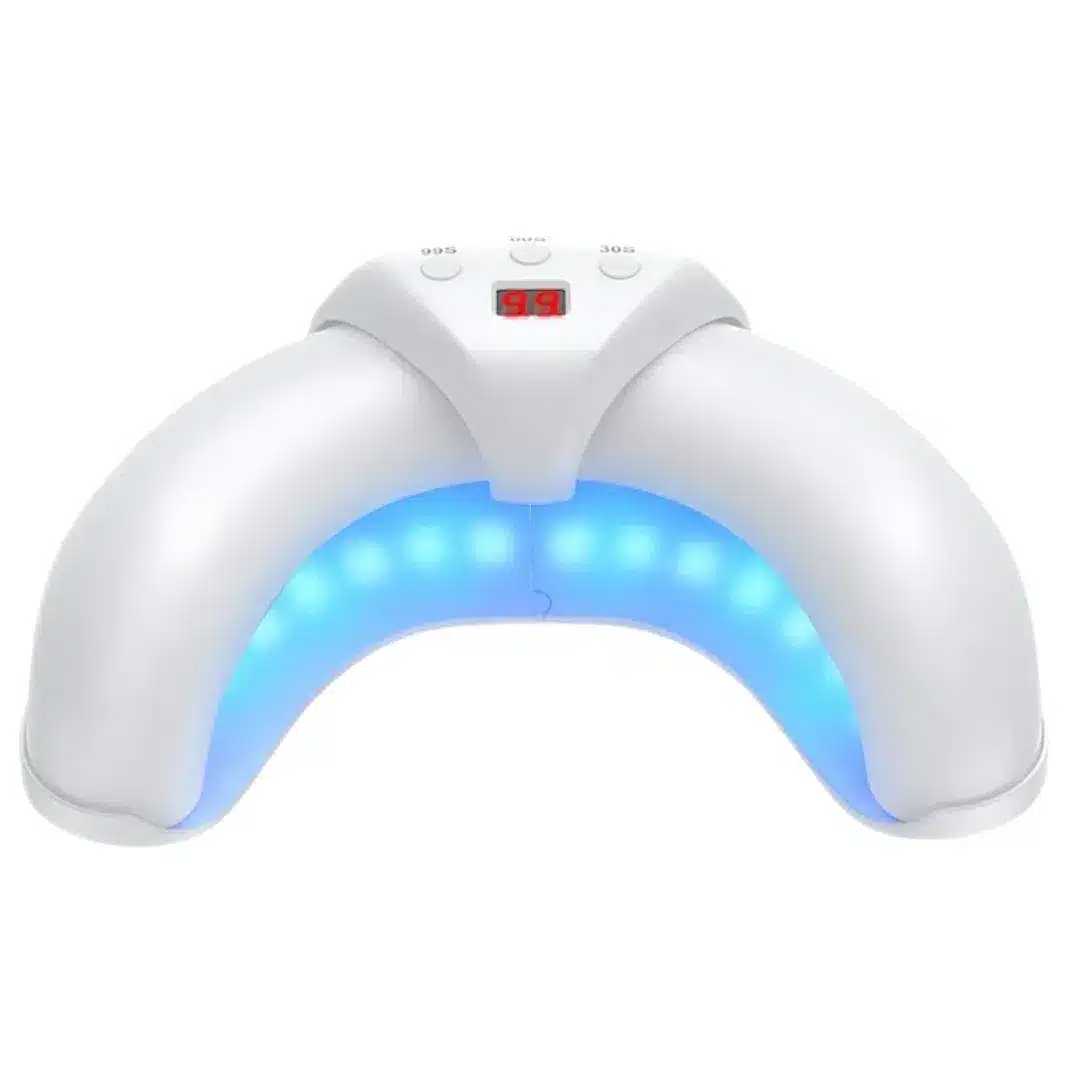
Upon unboxing, I was pleasantly surprised by the Okita Nail Fungus Light’s build quality. It’s compact, ergonomically designed, and surprisingly lightweight—the device fits comfortably in my hand and easily accommodates individual fingers or toes. The one-touch operation and automatic seven-minute timer simplify the process, making it virtually foolproof for daily self-care, even for those with limited dexterity or time constraints.
From a health practitioner’s perspective, ease of use is one of the most critical factors for adherence. Treatments are only effective if patients can consistently stick to the regimen, and Okita clearly understands that. There’s no complicated assembly, and no need to fiddle with batteries; the device is rechargeable. The instructions are straightforward, and the absence of heat, UV rays, or any chemical application is reassuring, especially for my patients who are wary of side effects or skin sensitivities.
The Science Behind the Device
Before testing on myself, I reviewed the science behind Okita’s dual light therapy. The device combines red light (630 nm) and blue light (470 nm) wavelengths, targeting the infected nail bed and surrounding skin. Red light has long been associated with stimulating cellular healing, increasing circulation, and reducing inflammation. Meanwhile, blue light possesses strong antifungal and antibacterial properties, directly disrupting the metabolic functions of pathogens like Trichophyton rubrum—the most common nail fungus culprit.
While light therapy has shown promise in peer-reviewed studies, few devices have genuinely bridged the gap between clinical efficacy and at-home practicality. Okita’s device aims to fill that niche, and I appreciate that it does so without introducing pharmaceuticals, which often come with systemic risks and require rigorous medical monitoring.
My Testing Protocol
To thoroughly evaluate its effectiveness, I selected one toenail with mild onychomycosis, which had resisted topical antifungal solutions in the past. For six weeks, I used the device daily, adhering precisely to the manufacturer’s recommended session length. I also monitored for any skin irritation, discomfort, or side effects during and after each treatment.
Results: What I Noticed
Around the two-week mark, the treated nail began to show subtle signs of improvement. The yellowish discoloration started to fade, the thickened portion became less pronounced, and the surrounding skin appeared healthier. As the weeks passed, new nail growth at the base (cuticle area) looked notably clearer—an encouraging sign that the therapy was working at the source, not just at the surface.
By week five, I noticed a steady normalization of nail color and texture. Although fungal nail infections can take months to fully resolve due to the slow nature of nail growth, the rapid cosmetic improvement was undeniable. Most importantly, the sessions were entirely painless; at no point did I experience discomfort, stinging, or worry about overexposure.
Throughout the testing period, I did not experience any adverse effects—no rashes, burns, or heat sensation. The device maintained its performance, and battery life remained robust.
Comparing to Conventional Treatments
In my clinical practice, the standard treatments for nail fungus include topical antifungal creams and lacquers, oral medications, and sometimes laser therapy. Each has its drawbacks. Topicals often struggle to penetrate the nail plate deeply enough to reach the infection. Oral drugs, while effective, carry risks of liver toxicity and drug interactions, necessitating blood tests and medical supervision. Laser treatments, though promising, are costly and require in-clinic visits—not feasible for many patients.
The Okita Nail Fungus Light stands out by sidestepping these obstacles. It is 100% drug-free, avoiding the risks associated with pharmaceuticals. Its portability ensures patients can perform treatments wherever and whenever convenient, a critical factor for busy lifestyles. The financial cost is much lower than repeated clinic-based laser treatments, and the ease of ongoing use far exceeds most topical regimens.
Safety Considerations
The device does not emit UV radiation or generate heat, minimizing the risk of burns or DNA damage often associated with some light-based therapies. It is suitable for all skin types, including sensitive skin, and can be safely used by older adults, those with comorbidities, or anyone unable or unwilling to take oral antifungals. In my assessment, Okita Nail Fungus Light represents a thoughtfully engineered solution for home use.
A Positive Transformation
Beyond the measurable clinical improvements, I discovered an unexpected psychological benefit. Nail fungus carries stigma, often leading to embarrassment or social avoidance. The daily ritual of treating my nail without fear or discomfort became not only therapeutic but empowering. Being proactive with a safe, science-backed device helped rebuild my confidence in the healing process—something I believe is just as vital for my patients.
Who Should Consider Okita Nail Fungus Light?
If you have mild to moderate nail fungus, especially if you’ve struggled with over-the-counter creams or prefer to avoid oral medications, the Okita Nail Fungus Light is a fantastic first-line option. For those managing chronic conditions, sensitive skin, or medication allergies, it offers relief without introducing new risks.
That said, patience is essential. Nail regrowth is slow, and while you may see cosmetic improvements in a few weeks, full resolution often takes several months. I recommend maintaining consistency and combining light therapy with general nail hygiene—trimmed nails, keeping feet dry, wearing breathable footwear, and avoiding trauma to affected nails.
Final Verdict: Worth Buying
After extensive testing and professional analysis, I can confidently recommend the Okita Nail Fungus Light. Its blend of safety, ease of use, and scientifically grounded dual light therapy makes it a standout in the crowded market of nail fungus solutions. The device will not replace prescription treatments for severe, deep-seated infections, but for most users seeking a gentle, effective, and accessible at-home remedy, it’s absolutely worth buying.
Investing in the Okita Nail Fungus Light means investing in your nail health and overall confidence. It’s a modern, drug-free wellness tool that delivers on its promises when used consistently. In my expert opinion, it is a valuable addition to your personal healthcare arsenal—one I trust and will continue to recommend to both patients and friends seeking relief from nail fungus.