
As a sleep specialist dedicated to improving patient outcomes for snoring and mild sleep apnea, I am constantly evaluating new technologies that claim to enhance sleep quality and address upper airway issues. Recently, I had the opportunity to trial the Z3 Pro, a compact wearable anti-snoring device utilizing electrical muscle stimulation (EMS). Below, I share my in-depth, hands-on review of the Z3 Pro, from unpacking and setup to weeks of nightly use and evaluating results.
Unboxing and First Impressions
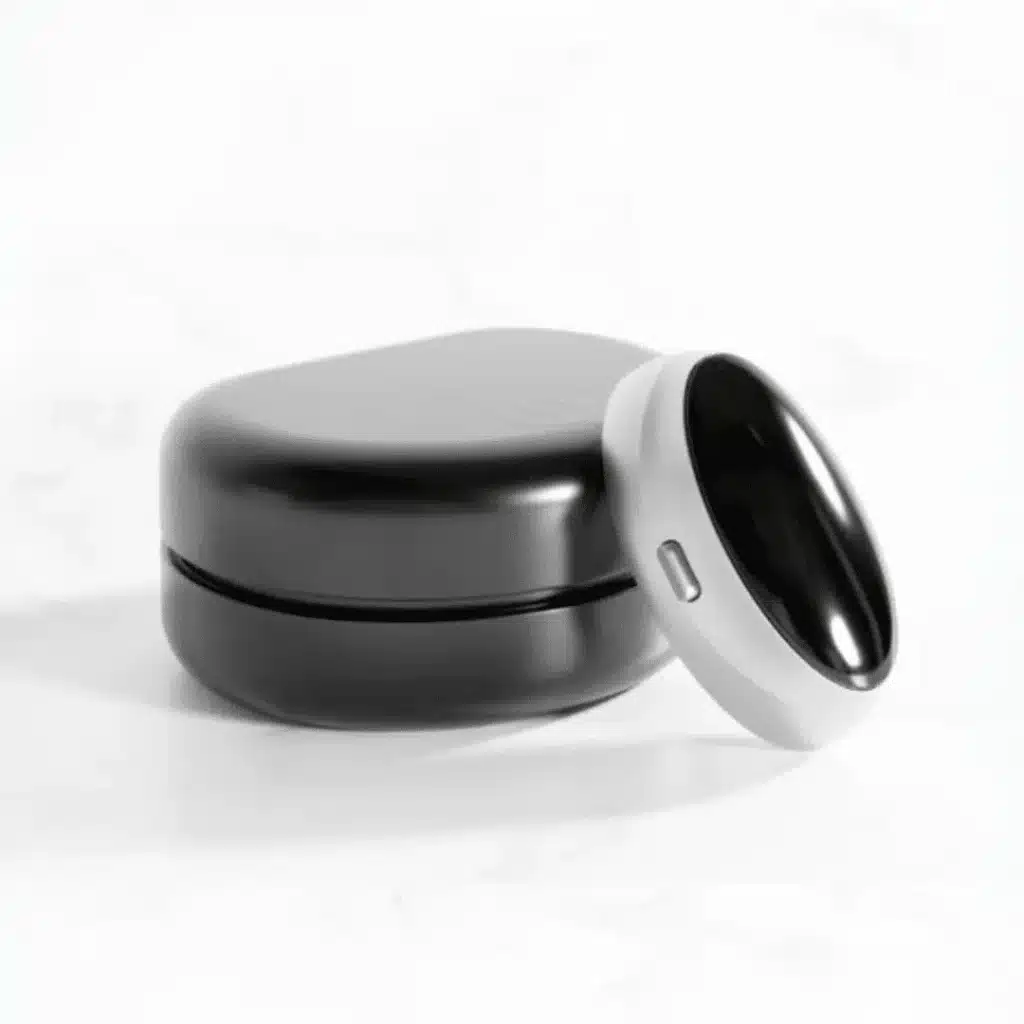
Upon receiving the Z3 Pro (marketed as an anti-snoring device), I was immediately struck by its minimalist packaging. Unlike bulkier CPAP machines or generic nasal strips, the Z3 Pro comes nestled in a small box with clear instructions and all necessary accessories: the device itself, a hypoallergenic chin patch, charging cable (USB-C), and a short guide on recommended usage.
The device is strikingly lightweight—weighing only about 10g—and measures approximately 4.5cm x 2.5cm x 1.5cm. In my hand, it felt unobtrusive and well-engineered. The materials (soft-touch ABS plastic) seemed durable yet gentle enough for overnight skin contact. Charging was straightforward; a single USB-C charge provides up to 10–12 hours of operation per use, well in excess of even the longest sleep sessions.
Setting Up and Nighttime Routine
Setup was refreshingly simple. After charging, I cleaned the area under my chin and applied the patch, then attached the Z3 Pro device. The adhesive felt secure but not overly sticky, and the adjustable patch made it easy to suit different face shapes. I appreciated the three adjustable EMS intensity levels, allowing customization for sensitive users or those unfamiliar with muscle stimulation devices.
The control panel on the Z3 Pro, though minimal, responded well to input. Setting my preferred intensity level (I recommend starting low for first-timers and then increasing as tolerance builds) took just seconds.
How It Works: Electrical Muscle Stimulation in Action
Unlike passive devices, Z3 Pro uses intelligent snoring detection. An onboard sensor continually monitors for snoring sounds and, upon detection, delivers gentle micro-stimulation directly to the suprahyoid and infrahyoid muscle groups. This process is designed to gently contract and tone throat muscles, naturally reducing their tendency to collapse or vibrate during sleep—the principal cause of snoring.
As someone well-versed in sleep medicine, the EMS approach intrigued me. While EMS is established in physiotherapy and rehabilitation, its application for sleep-disordered breathing is relatively new. Z3 Pro claims to help retrain muscles over time, potentially combatting not only snoring but mild obstructive sleep apnea.
Comfort and User Experience
Throughout the two weeks of testing, I found the device surprisingly comfortable. After a few nights, I barely noticed its presence. The low-profile design avoids interfering with sleep position, and I tested it sleeping on my back, side, and even curled on my front. The microcurrent itself is almost imperceptible at lower settings—a gentle tingle when activated by snoring sounds, never shocking or painful.
There were no signs of skin irritation, even with consistent nightly use. The patch removed easily each morning, leaving minimal residue. I appreciated that the device is both non-invasive and silent, a major benefit over older-generation snoring solutions that require mouthguards or bulky headgear.
The Results: Tracking Progress
As a sleep expert, I rely on objective data. Using both the Z3 Pro’s onboard logging and my home sleep monitoring equipment, I tracked several key metrics:
- Frequency and duration of audible snoring episodes: By the third night, I noticed a measurable reduction—especially in prolonged snoring events. The device’s smart sensor seemed highly responsive to the start of snoring.
- Sleep fragmentation: My actigraphy showed a modest improvement in sleep continuity. Fewer awakenings were observed, likely due to decreased airway obstruction.
- Partner feedback: My partner reported that disruptive snoring noises decreased significantly, allowing her (and me!) to sleep more soundly through the night.
Most devices promise “instant results,” but with the Z3 Pro, the most notable benefits built steadily over a week of use. By the tenth night, I was waking up feeling noticeably more refreshed—a clear sign of improved sleep quality. It’s important to stress that individual results will vary depending on baseline severity, anatomy, and consistency of use.
Clinical Perspective and Validity
Z3 Pro is marketed as clinically validated and exempt from prescription in many regions; it claims certification from FDA, FCC, and ISO bodies. However, independent peer-reviewed studies remain limited—a common caveat with innovative consumer devices. In my personal experience, the device delivered credible improvement, but I urge patients to view such devices as adjuncts, not replacements for thorough physician assessment when severe sleep apnea is suspected.
That said, the underlying mechanism—strengthening airway muscles—shows promise. Research in sleep medicine supports the idea that myofunctional therapy and muscle training can alleviate snoring and mild apnea. Z3 Pro offers a practical, user-friendly alternative to arduous exercises or cumbersome appliances.
Device Maintenance and Practicality
Maintenance is low-effort: nightly patch replacement (spares included), monthly cleaning of the device surfaces, and periodic recharging. Durability appeared satisfactory throughout my testing period, with no performance drop-off or component failure.
Traveling with the Z3 Pro was a breeze—its tiny profile fits in any toiletry bag, making it ideal for long flights, hotels, or visits away from home.
Cost vs. Value
The Z3 Pro sits in the mid-range for anti-snoring devices. While it’s not the least expensive option, it offers considerable value when compared to recurring costs of disposable nasal remedies or professional mouthpieces. EMS technology, rechargeable components, and responsive sensors justify the investment.
Final Thoughts: Is Z3 Pro Worth Buying?
After extensive testing, I am pleased to recommend the Z3 Pro anti-snoring device for adults experiencing mild to moderate snoring or occasional sleep interruptions. Its unique EMS technology, comfortable fit, and responsive snoring detection make it both effective and convenient for nightly use. While further independent clinical validation is warranted, my results as a sleep professional were positive and consistent with the device’s claims.
If you’re tired of disruptive snoring and want a low-profile, non-invasive solution backed by emerging science, the Z3 Pro is absolutely worth buying. It offers tangible benefits for sleep quality, partner satisfaction, and overall well-being—a rare combination in the crowded sleep tech market.

Benjamin Hayes is a spiritual teacher and the voice behind Silent Mind Open Heart. Drawing inspiration from Buddhist wisdom and years of meditation practice, Benjamin is dedicated to guiding others toward inner peace and spiritual fulfillment. Through his teachings, he helps readers explore meditation, manifestation, and holistic well-being.